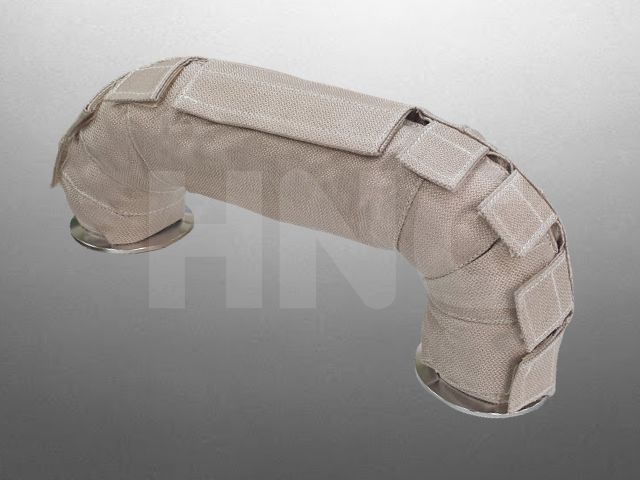
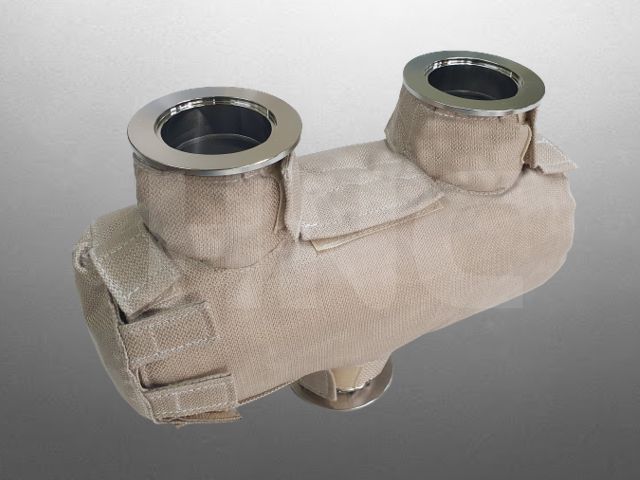
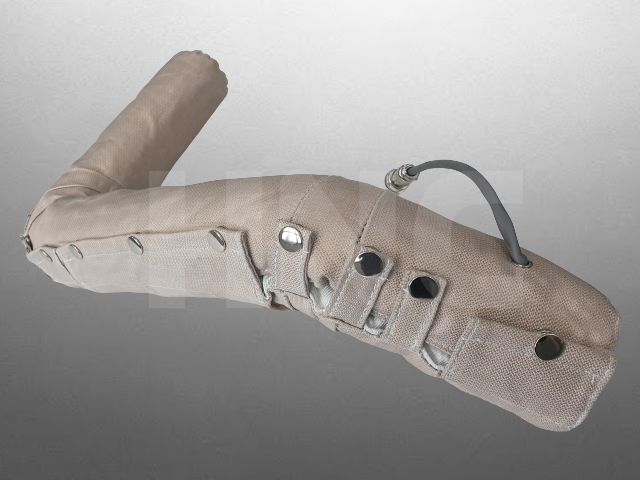
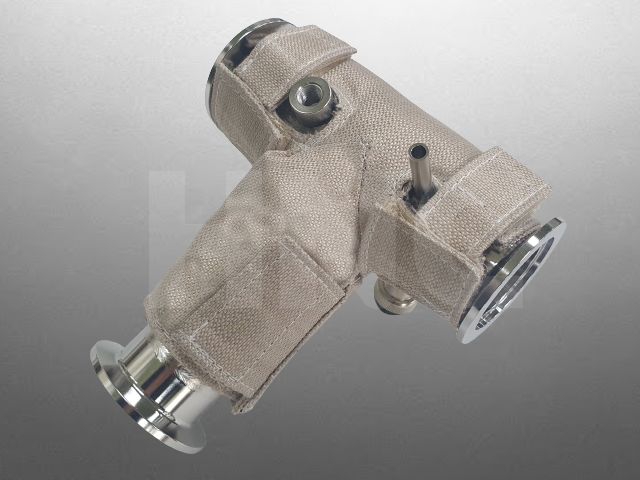
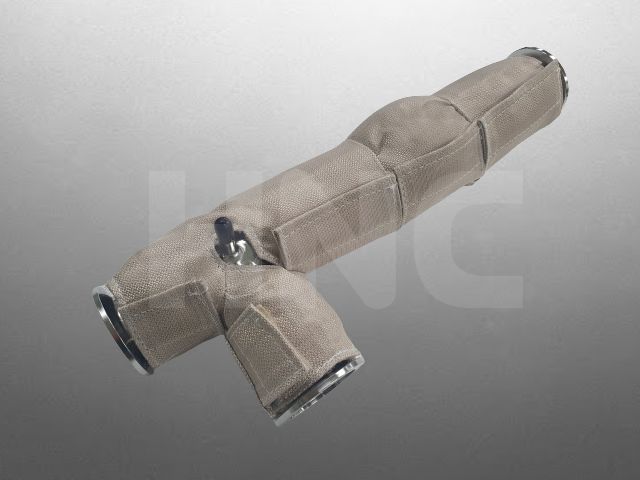
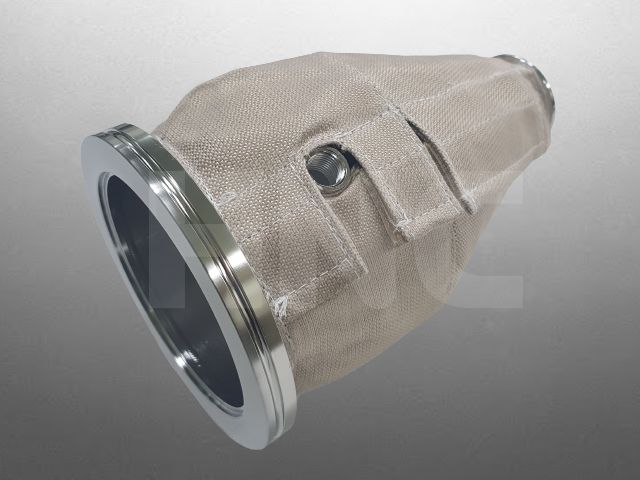
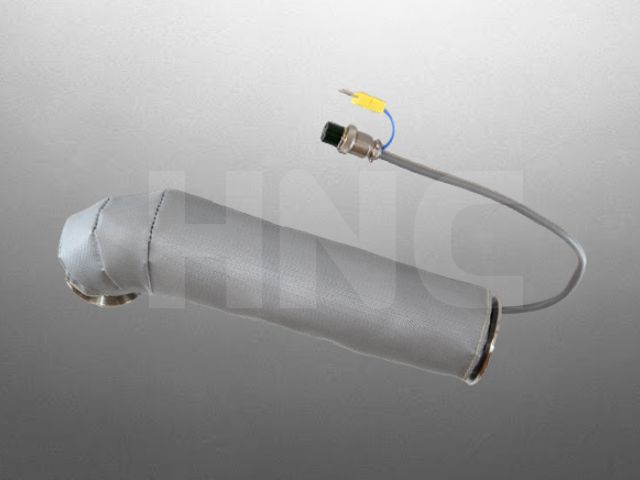
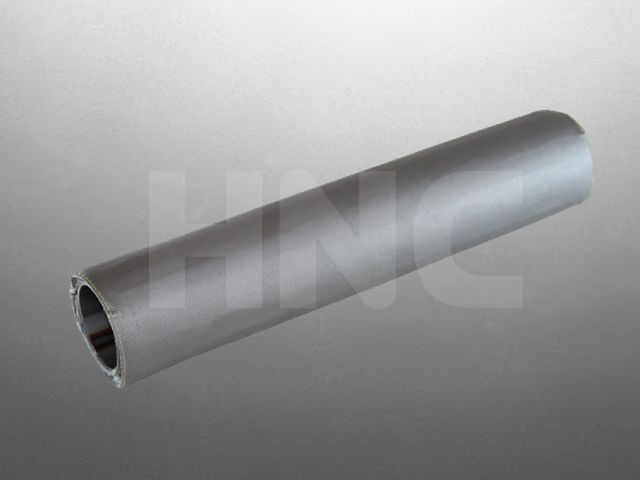
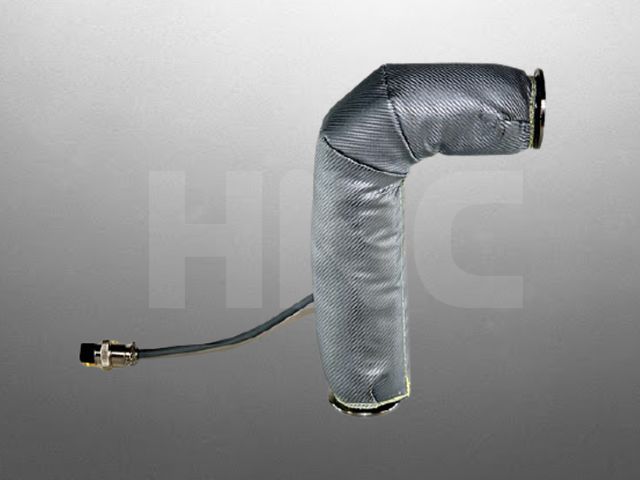
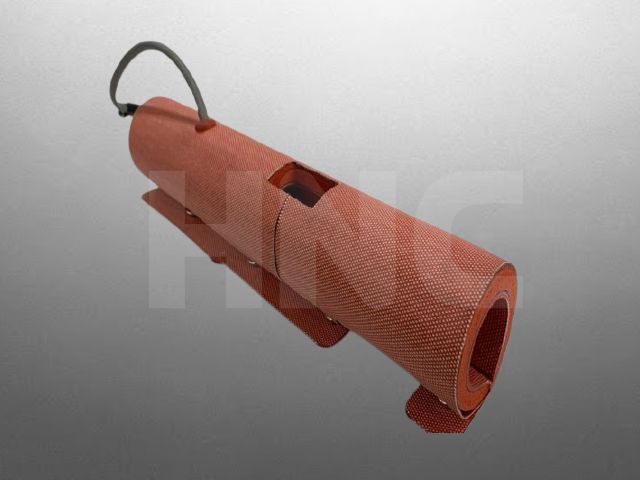
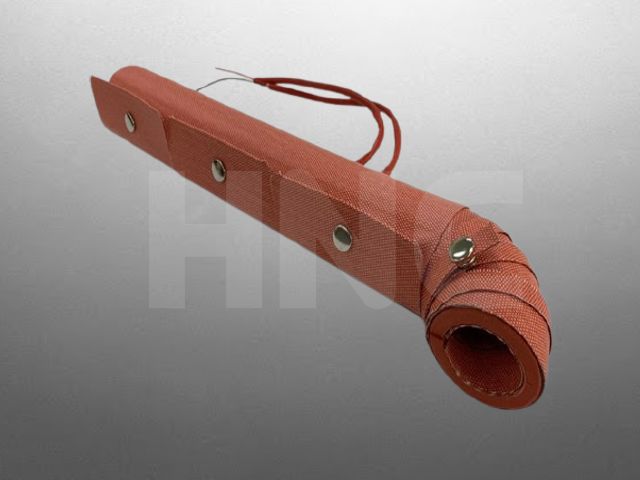
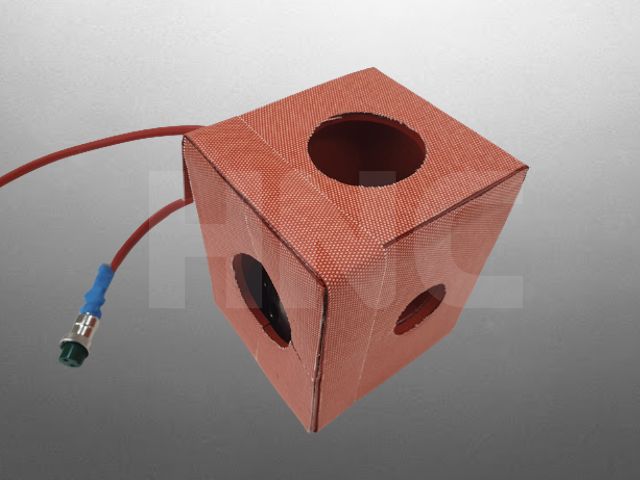
The heating jacket is also known as heater jacket, heat jacket, or jacket heater, but our company refers to it as Heating Jacket.
The heating jacket helps reduce human, material, and economic losses caused by powder accumulation in gas exhaust pipes during semiconductor and other manufacturing processes, which can lead to equipment performance degradation, reduced production yield, and periodic preventive maintenance.
Our product is CE certified, made from special high-temperature resistant raw materials, and includes various safety devices to ensure safe use and excellent performance.
Applicable processes or products include:
 Various Forms
 Lightweight
 Excellent Adhesion
 Ensured Safety
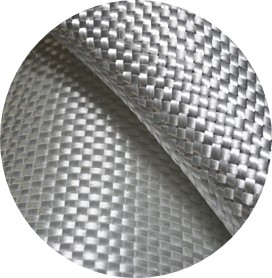 Raw and Auxiliary Materials
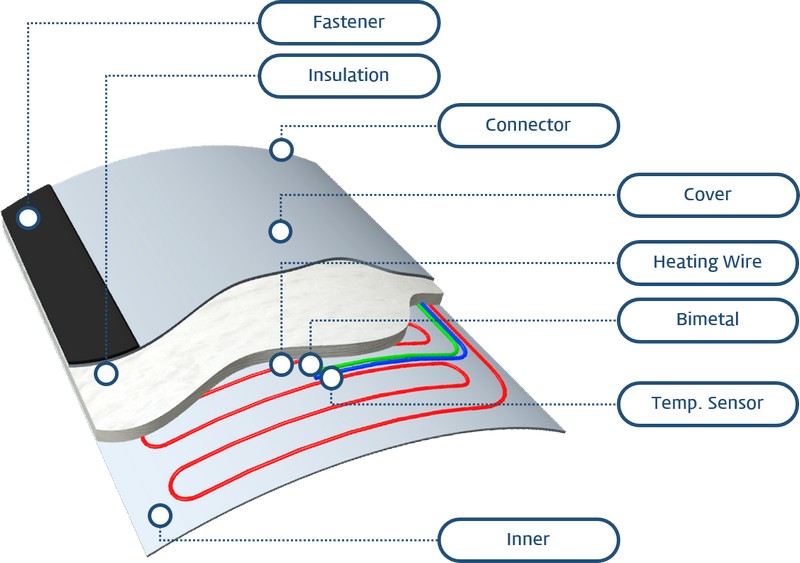
Raw materials (inner lining, outer lining, insulation, etc.) and auxiliary materials (fasteners, connectors, cables, etc.)
Raw and Auxiliary Materials
Raw materials (inner lining, outer lining, insulation, etc.) and auxiliary materials (fasteners, connectors, cables, etc.)
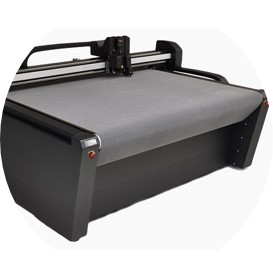 Design & Cutting
Materials are designed according to equipment blueprints and cut automatically.
Design & Cutting
Materials are designed according to equipment blueprints and cut automatically.
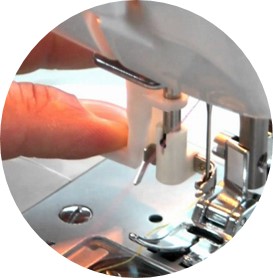 Sewing (Assembly)
Inner lining (heating wires), insulation, and outer lining are sewn, followed by assembly of connectors and fasteners.
Sewing (Assembly)
Inner lining (heating wires), insulation, and outer lining are sewn, followed by assembly of connectors and fasteners.
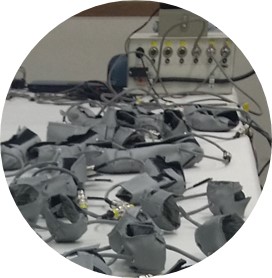 Testing
Insulation resistance and dielectric strength are measured, and out-gassing is checked through aging tests.
Testing
Insulation resistance and dielectric strength are measured, and out-gassing is checked through aging tests.
| No | Items | Fabric Type | Rubber Type |
|---|---|---|---|
| 1 | Temperature | 120~180℃(최대 250℃) | 120~180℃(최대 250℃) |
| 2 | Voltage | 220VAC(50/60Hz) | 220VAC(50/60Hz) |
| 3 | Outter | Silicone coated E-glass cloth PTFE coated E-glass cloth Silica cloth, PTFE cloth Dual mirror aluminized cloth |
Silicone rubber fabric |
| 4 | Inner | Silicone coated E-glass cloth PTFE coated E-glass cloth Silica cloth |
Silicone rubber fabric |
| 5 | Insulation | Silica needle mat Fiber galss |
Silicone sponge Silicone pad |
| 6 | Heat Wire | Nickel-chrome wire(NCHW-1) | Nickel-chrome wire(NCHW-1) |
| 7 | Inter-lock(option) | Bimetal, Thermal Fuse | Bimetal, Thermal Fuse |
| 8 | Sensor | K-type, PT100Ω-type | K-type, PT100Ω-type |
| 9 | Fastener | Velcro, Snap Button | Snap Button |